Amethyst
 Citrine
 Diamond
 Fire Opal
 Garnet
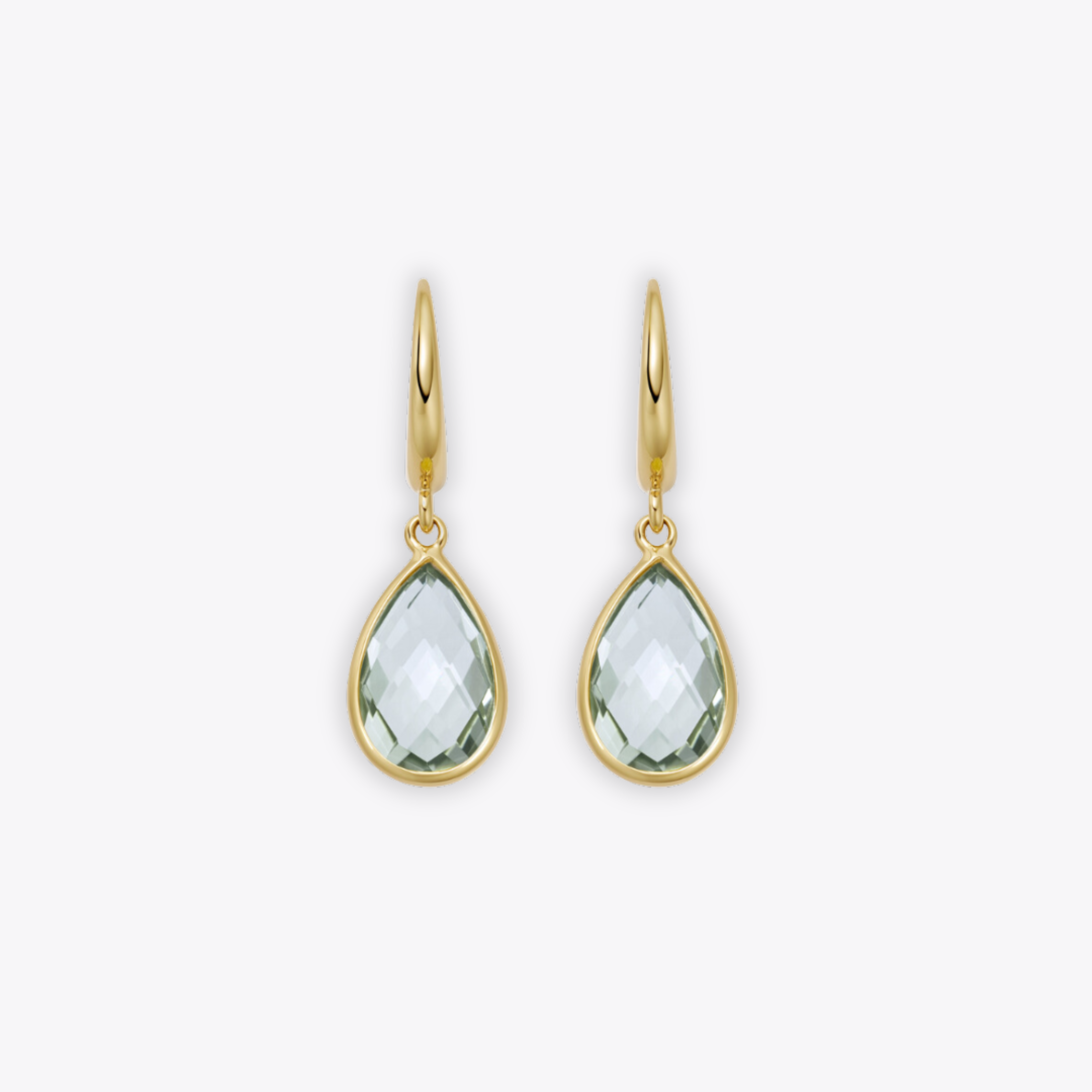
 Green Amethyst
 Morganite
 Pearl
Pearl Peridot
 Topaz
Topaz

The Gemstone Glossary
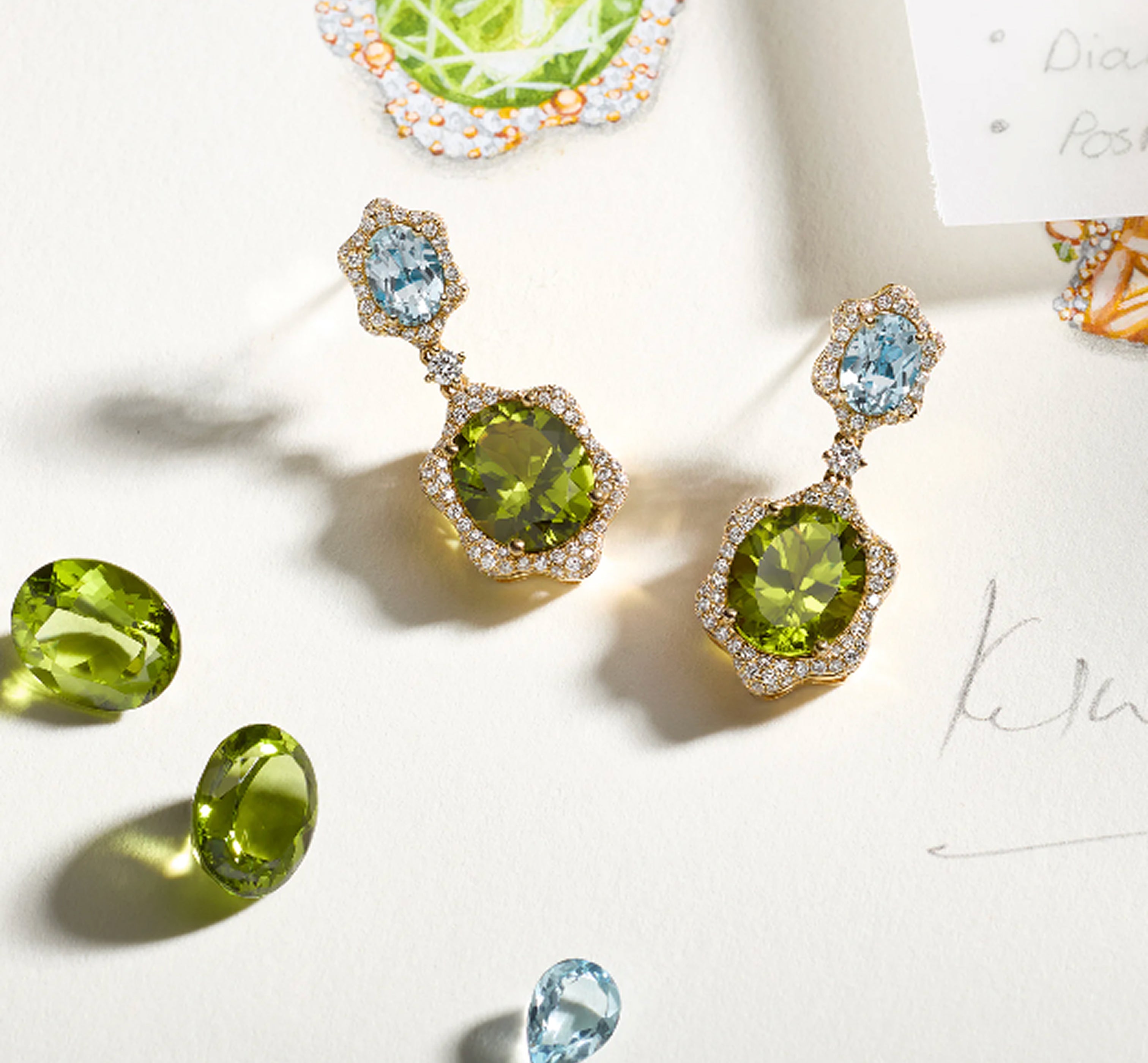
Here at Kiki McDonough, gemstones are at the heart of everything we do, with a rainbow of Earth’s colourful creations featured in our range of spectacular fine jewellery.
When Kiki first started the brand, she gave herself the goal of introducing a different gemstone to the business each year, and this has led to an array of beautiful gems being featured in her collections.
From popular quartz and topaz to rare tanzanite and fire opal, each stone we work with has a rich history that imbues all our pieces with meaning.
Let's take a deep dive into some of the brand's favourite gemstones and learn about their properties and origins.
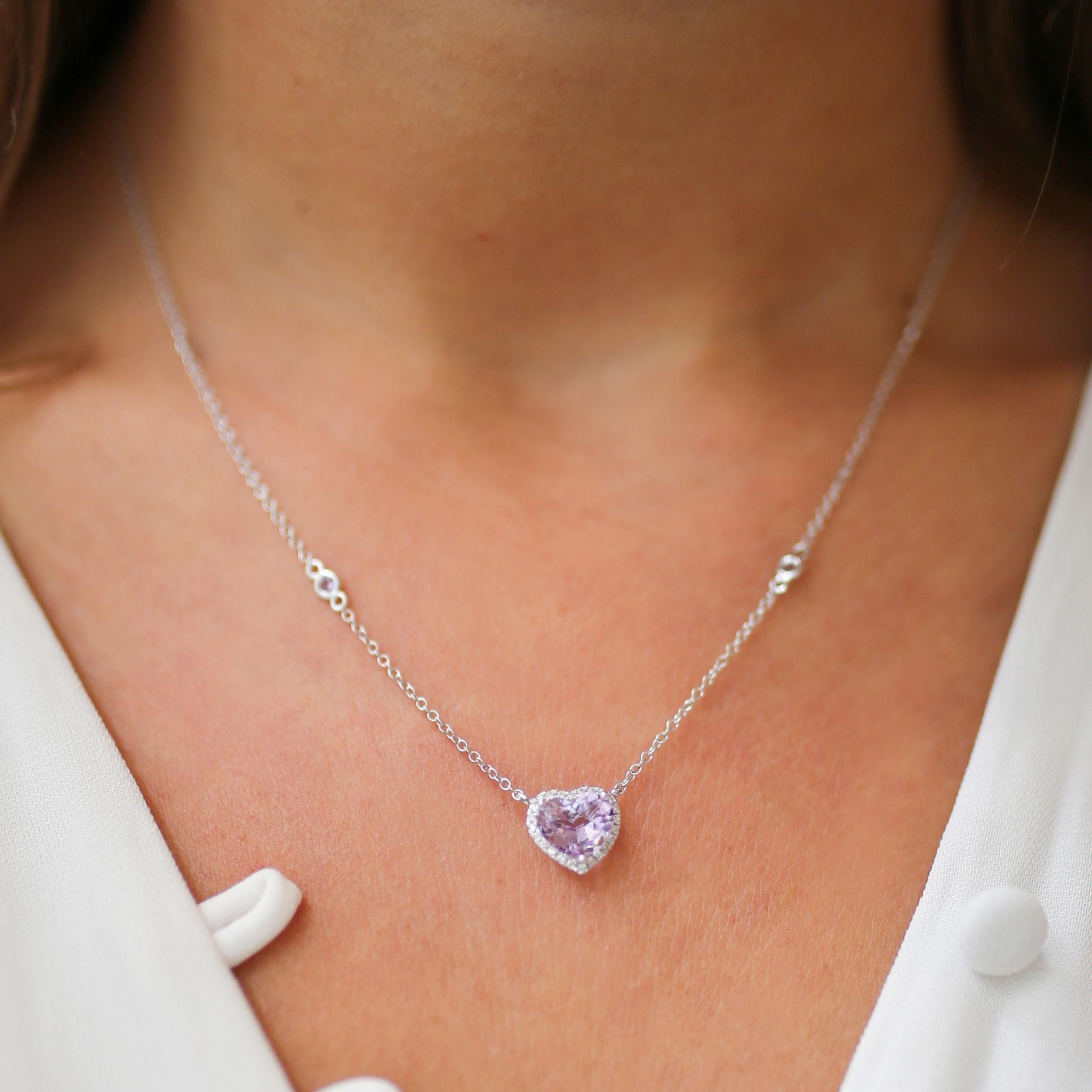
Amethyst
Kiki’s 1980s collections saw the introduction of amethyst as one of her core gemstones.
Her first amethyst pieces included cabochon heart-shaped stud earrings set in 9ct yellow gold and a beaded amethyst necklace with an amethyst, diamond and pearl pendant.
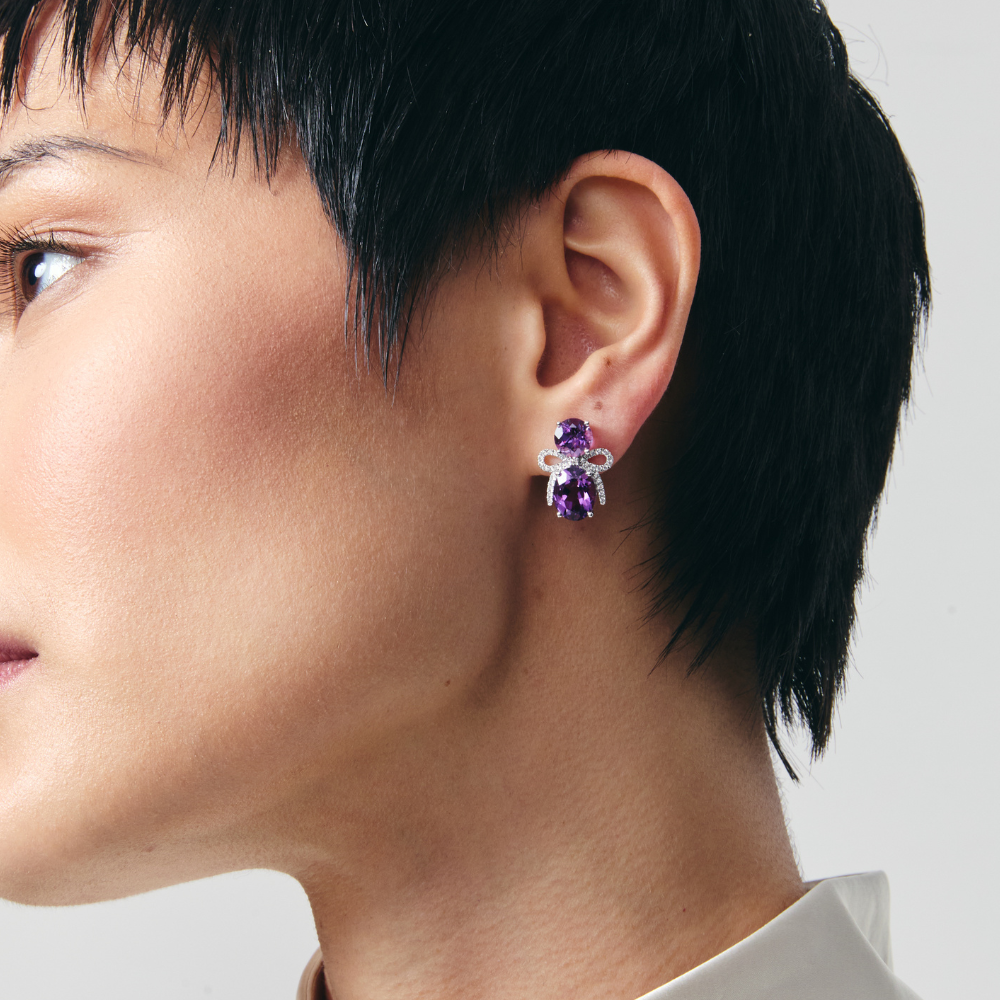
Amethyst is a variety of Quartz with a Trigonal crystal system, composed of Silicon Dioxide (SiO2). It rates 7 on the Mohs hardness scale and is sourced primarily from Brazil.
Its purple colour comes from impurities in the crystal structure, ranging from light purple to a deep, royal purple. The name comes from the ancient Greek word "amethystos", meaning "not drunk". It was once believed to prevent intoxication.
Optically, amethyst displays colours of purple, light purple and green, with a vitreous lustre and transparency ranging from transparent to translucent.
- Keep out of prolonged exposure to sunlight
- Clean with warm soapy water
- Sometimes heat treated
Amethyst is the birthstone for February and the gemstone for 6th anniversaries.


Topaz
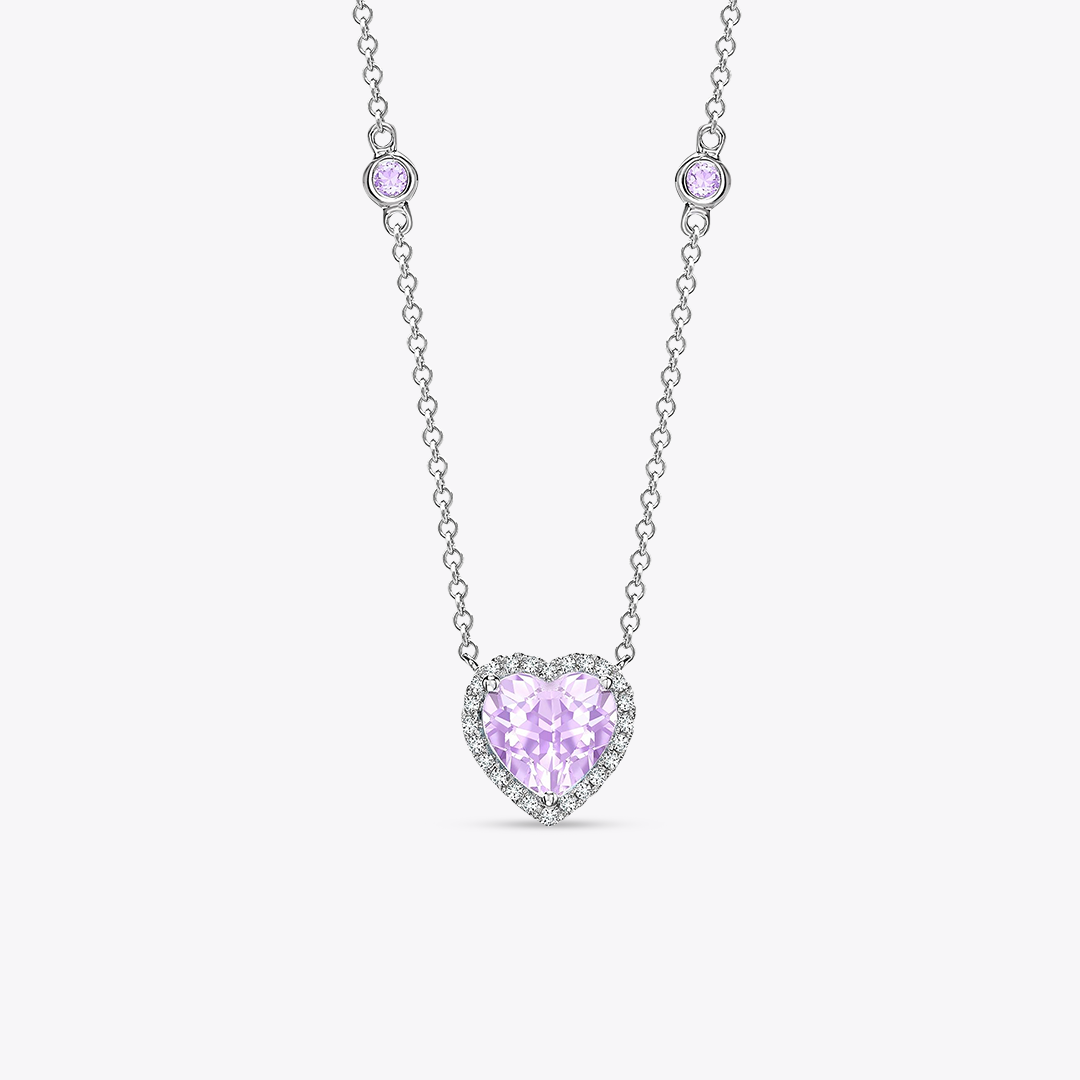
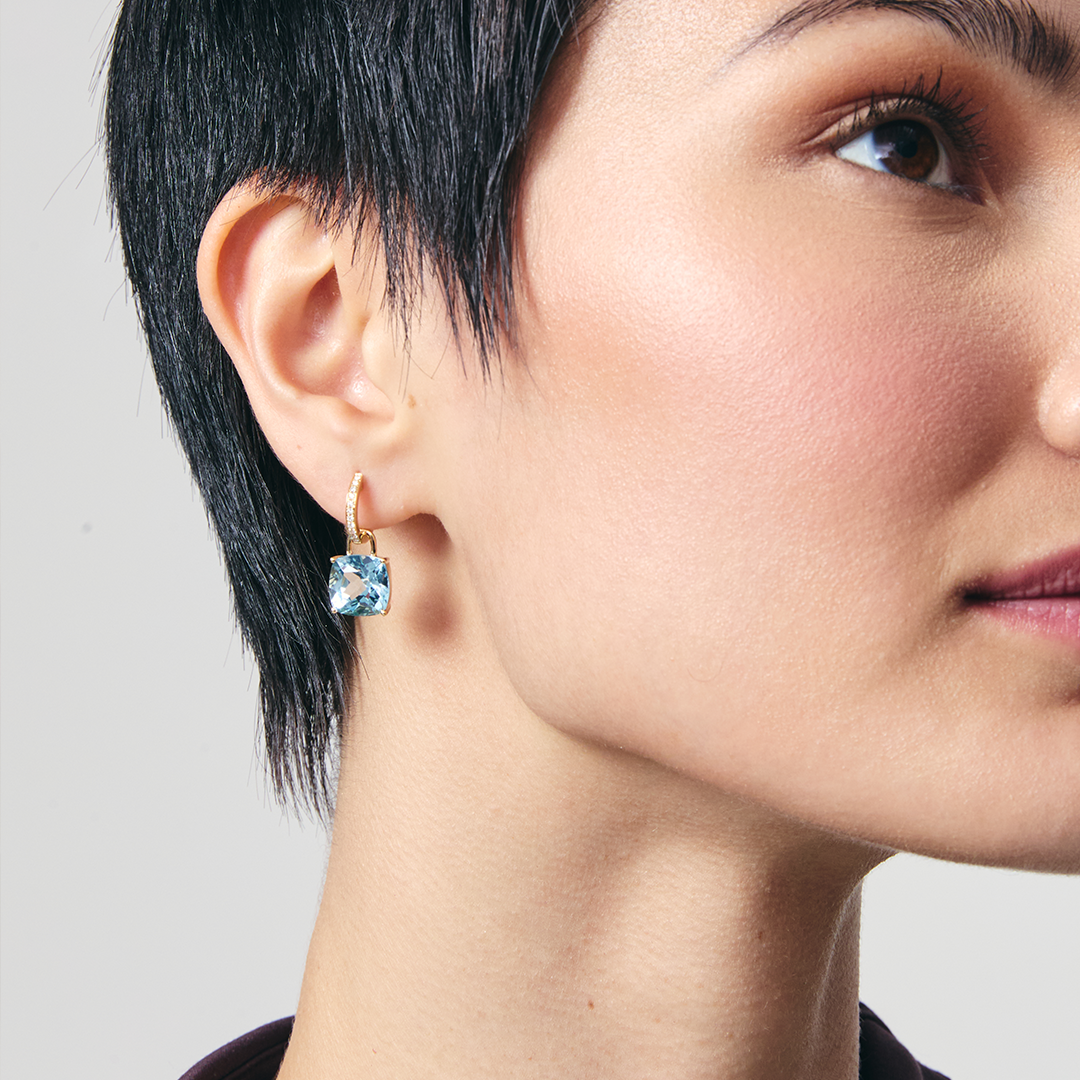
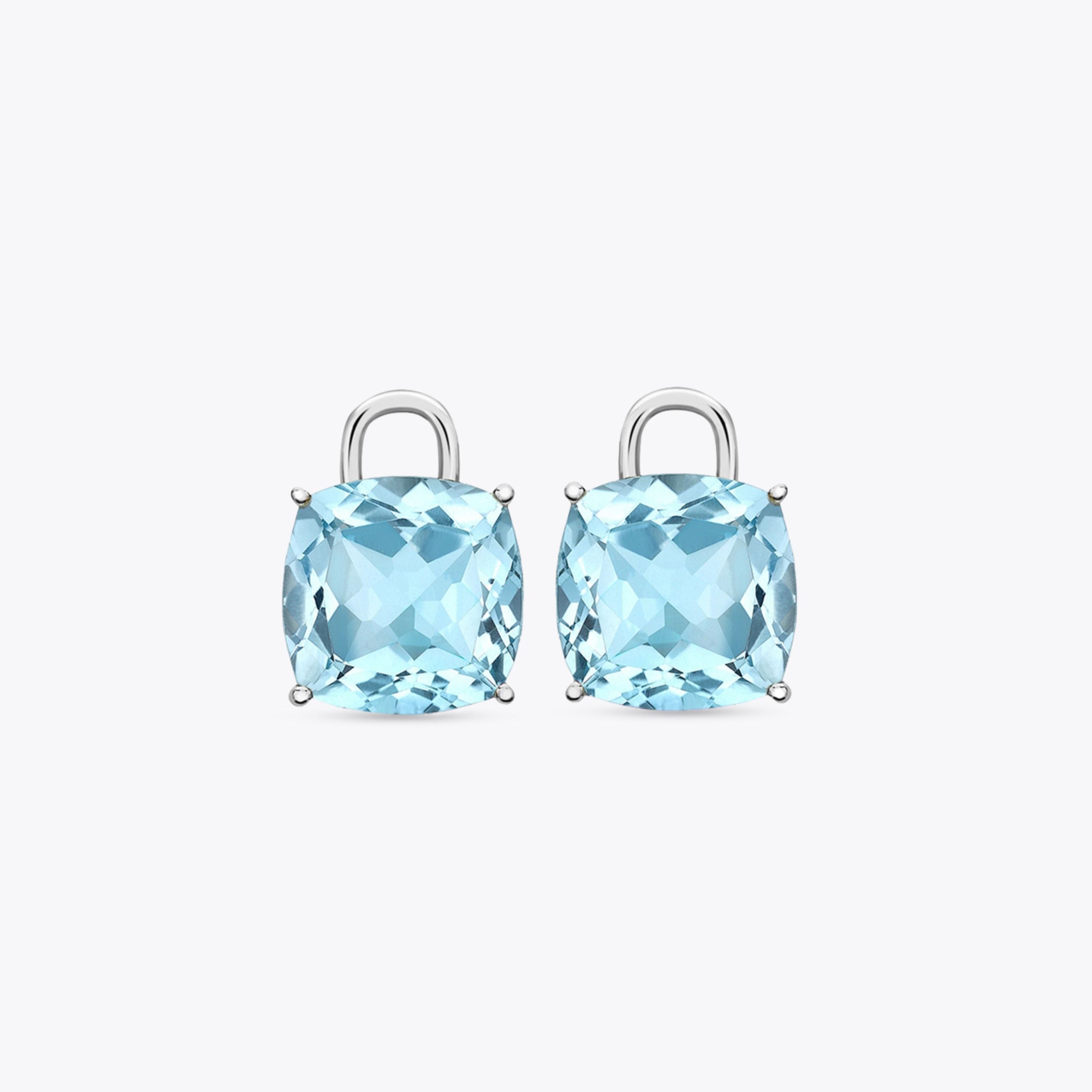
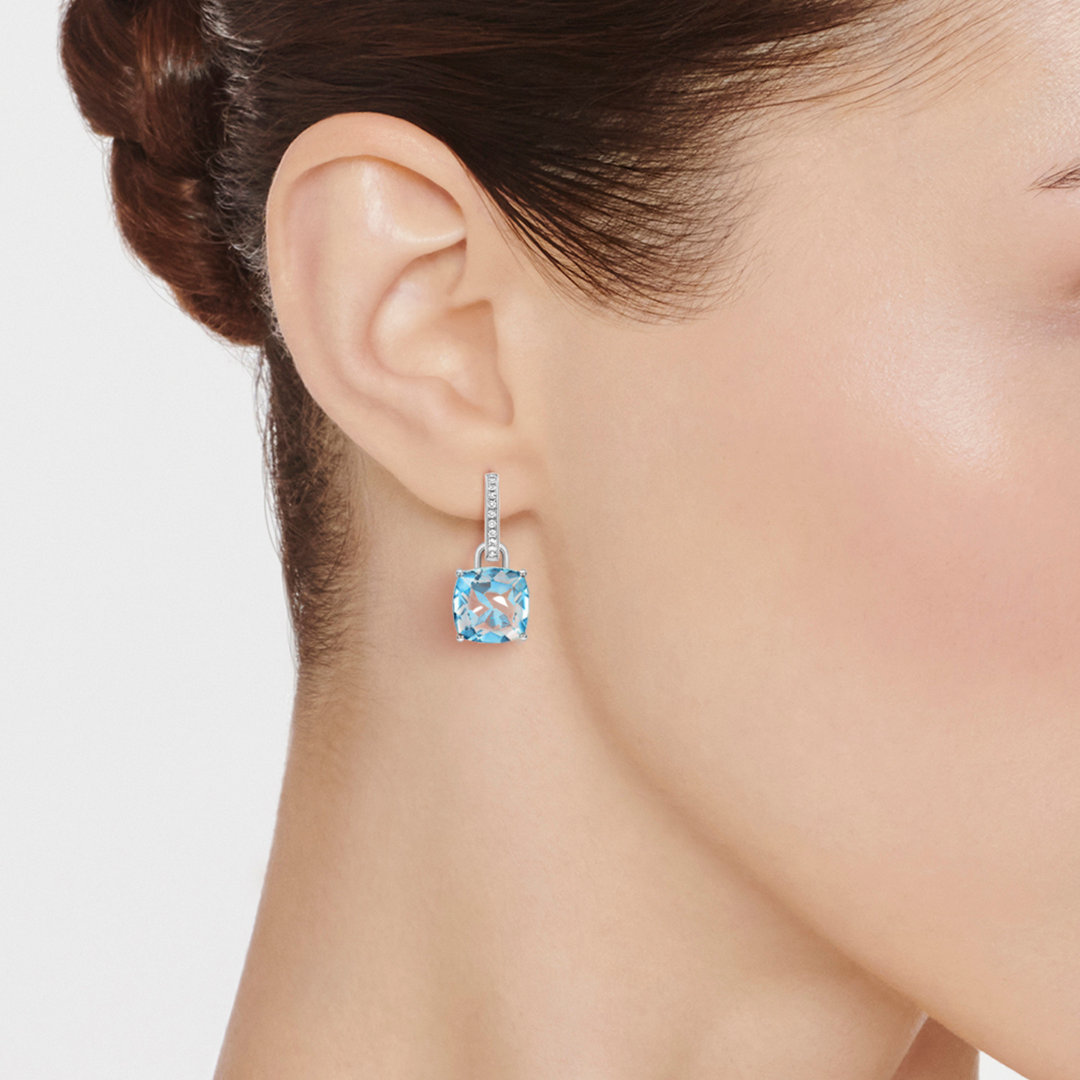
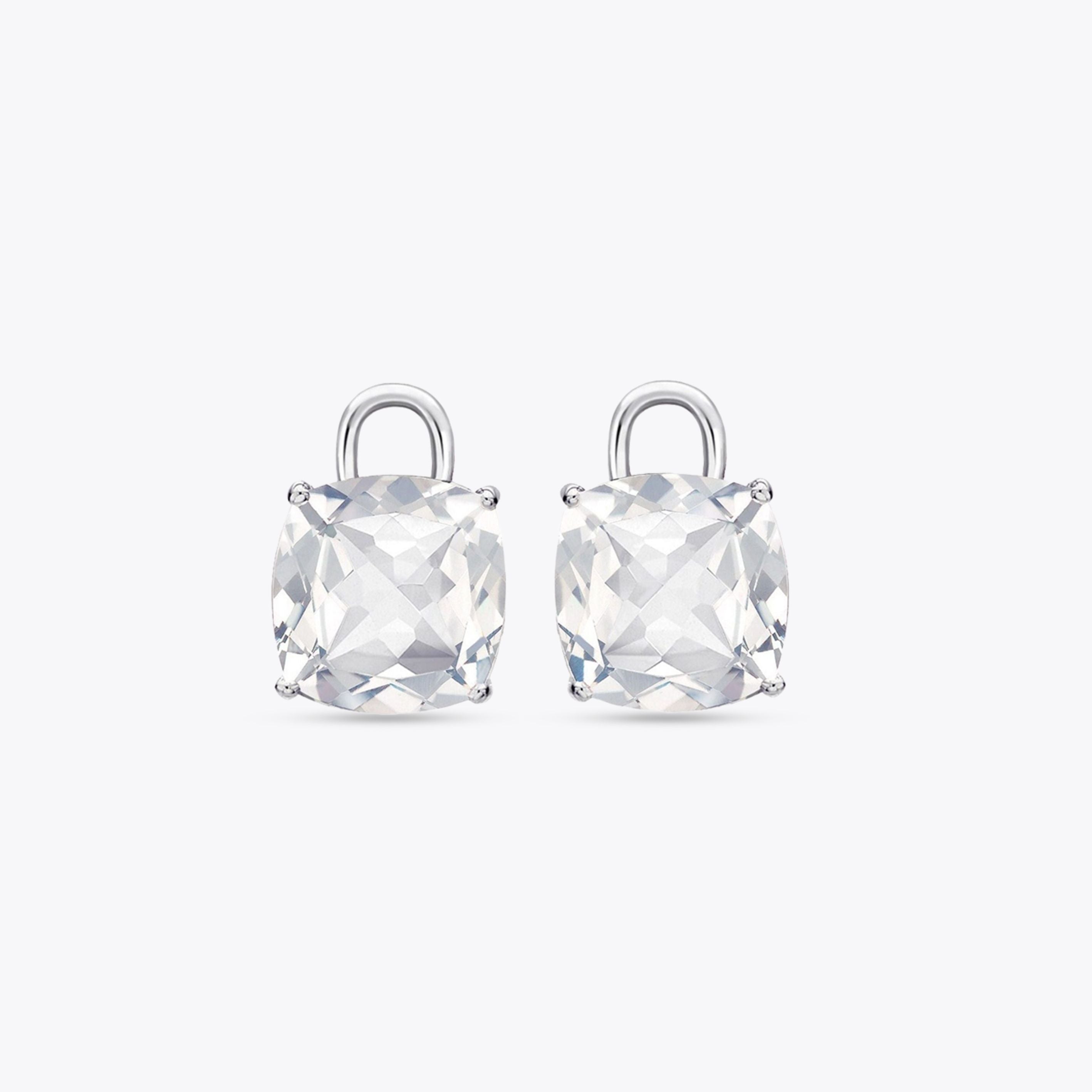
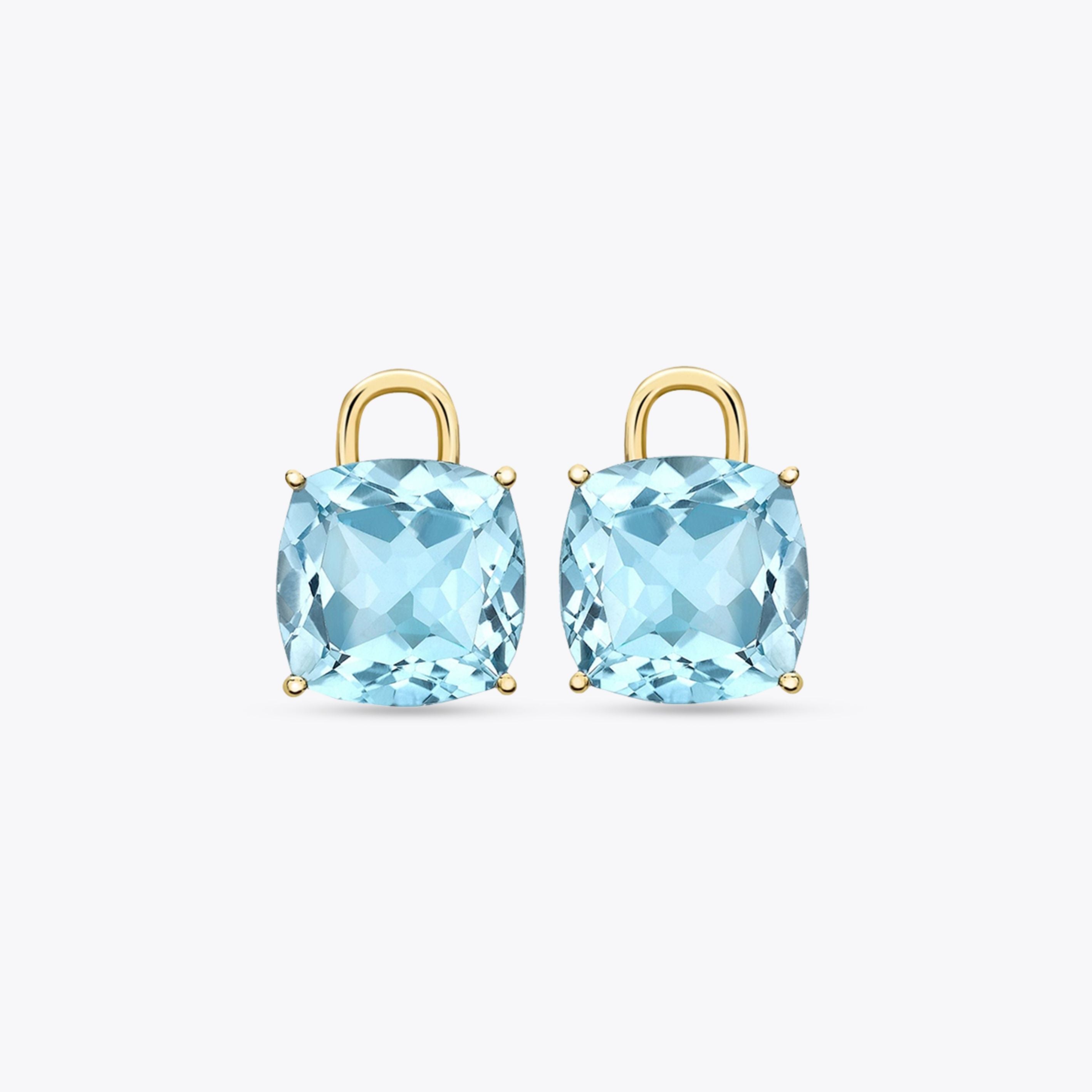
Kiki introduced blue topaz in the 90s, and this has become arguably her most popular gemstone.
A soft sky-blue hue is her chosen colour, though topaz comes in countless colours and shades including white, yellow, pink, pale green and red.
Topaz is its own mineral group with an Orthorhombic crystal system, composed of Aluminum Fluoro-Hydroxyl-Silicate (Al₂SiO₄(F,OH)₂). It rates 8 on the Mohs hardness scale, making it one of the harder gemstones. Only Diamond, Sapphire and Ruby are harder, making it suitable for everyday wear. It is sourced from Africa and Brazil.
The most common colour of Topaz is actually yellow with a red tint. Optically, it can appear colourless, yellow, yellow-orange, blue, violet, green, pink or pink-red, with a vitreous lustre and transparency ranging from transparent to translucent.
- No special care required
- Clean with warm soapy water, avoid ultrasonic and steam cleaning
- Sometimes heated, irradiated and coated treatments are common
Topaz is the birthstone for November and the gemstone for 16th anniversaries.






Citrine
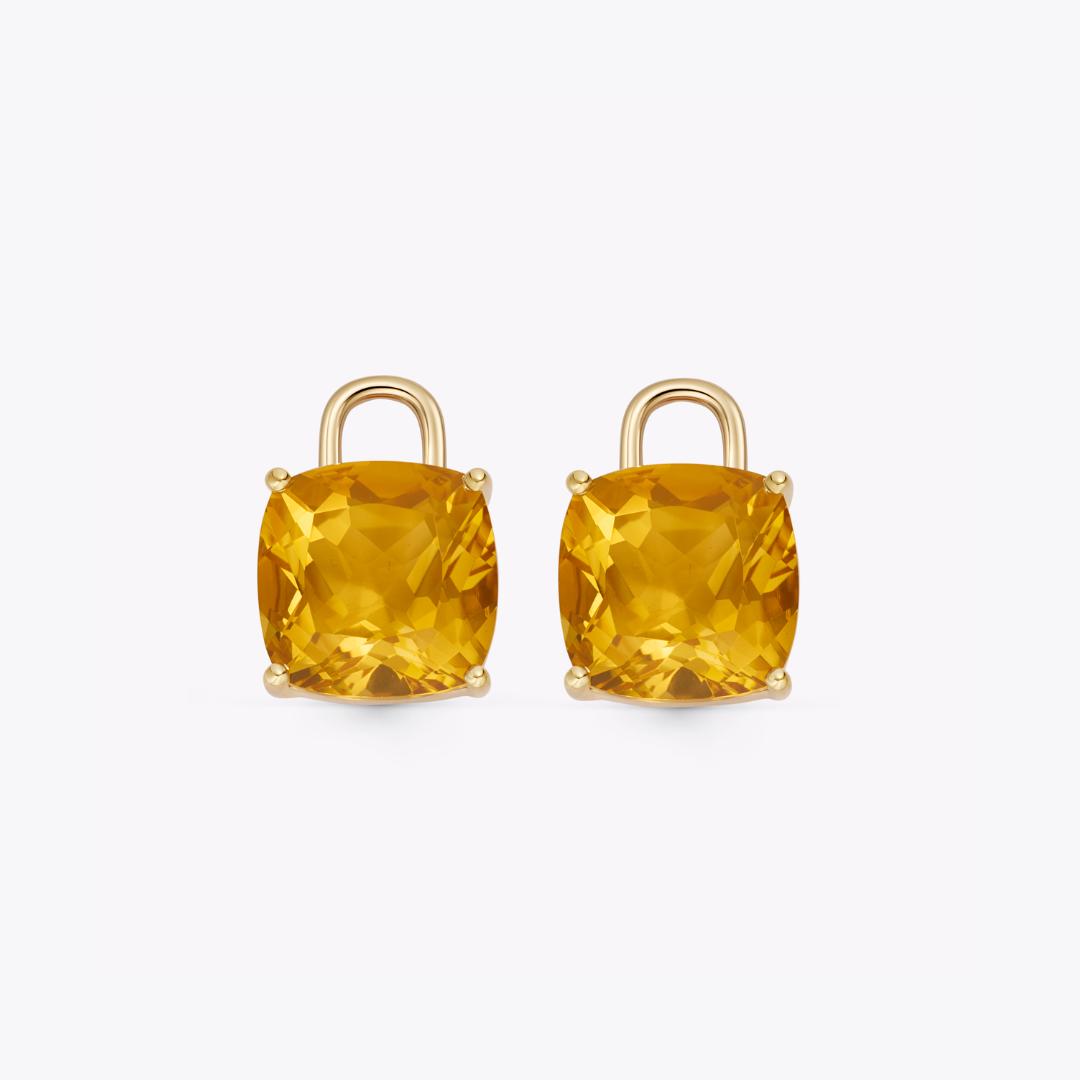
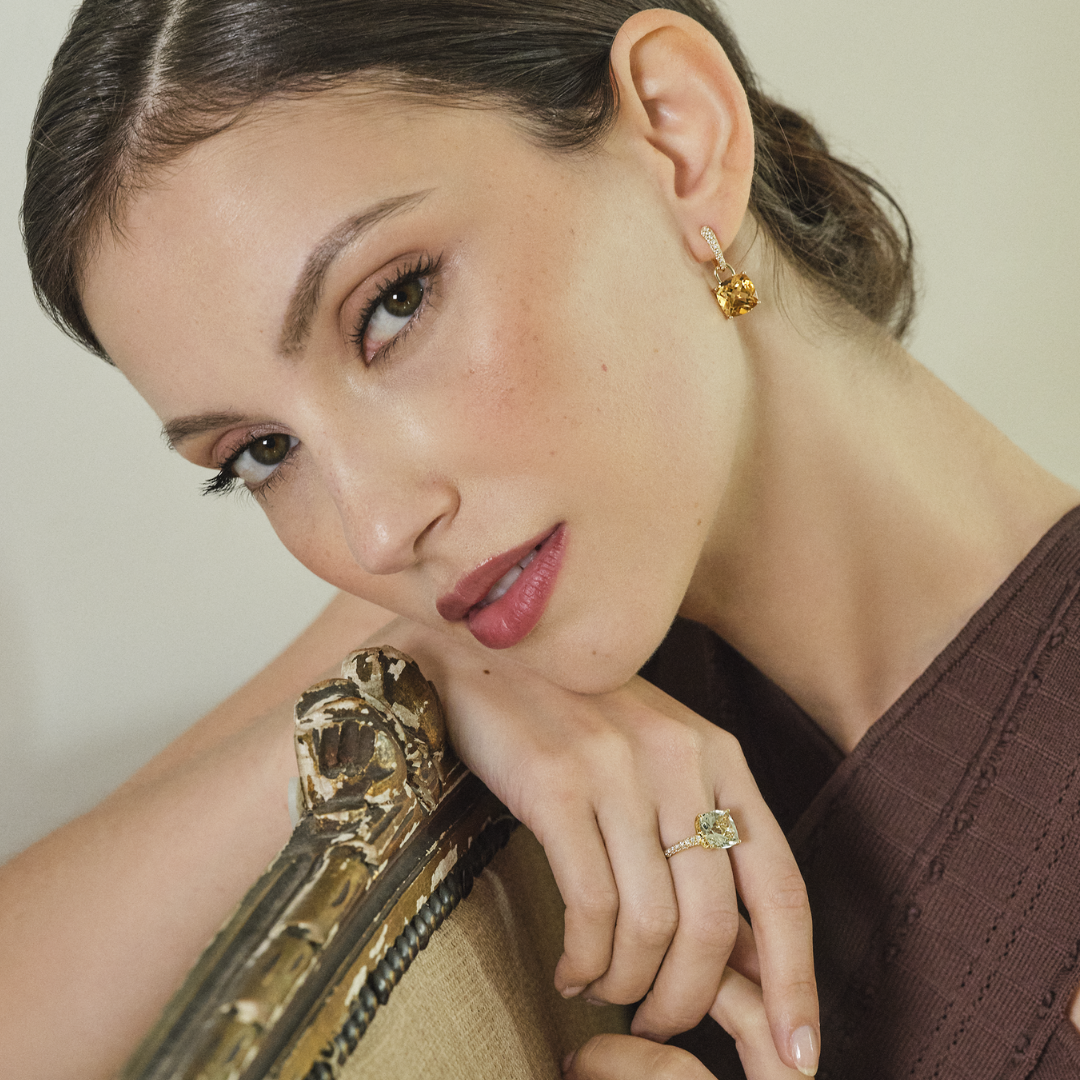
The colour of summer, citrine is the yellow variety of quartz and comes in shades ranging from pale yellow to a dark, golden syrup colour, the latter earning the trade name Madeira citrine due to its resemblance to the Portuguese dessert wine.
Citrine is a variety of Quartz with a Trigonal crystal system, composed of Silicon Dioxide (SiO2). It rates 7 on the Mohs hardness scale and is sourced from Brazil.
Natural Citrine is relatively rare, most of the Citrine on the market is actually heat-treated Amethyst. It has earned the nickname "the merchant's stone", as many businesses traditionally keep Citrine in their cash registers for good fortune.
Optically, it displays colours of yellow, orange and brown, with a vitreous lustre and transparency ranging from transparent to translucent.
- Keep out of prolonged exposure to sunlight
- Clean with warm soapy water
- Mostly heat treated




Diamond
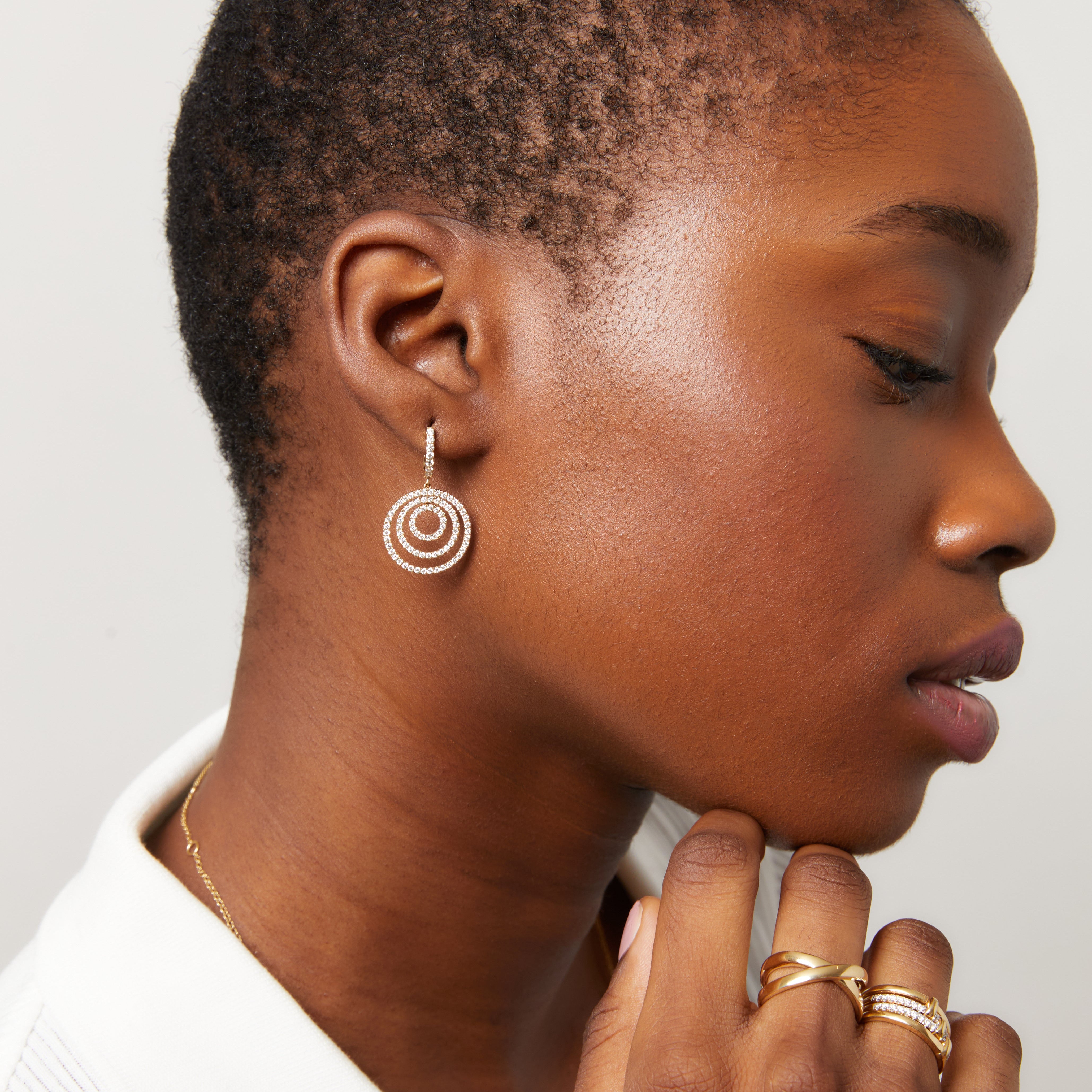
Diamonds are created by extreme heat and pressure that exists around a hundred miles beneath the earth’s surface and is the only gemstone which contains a single element: carbon.
Often used as a glittering halo to coloured gems in Kiki McDonough designs, these sparkling stones accentuate the beauty of other gemstones.
Diamond is its own mineral group with a cubic crystal system, composed purely of Carbon (C). It rates 10 on the Mohs hardness scale - the hardest material on earth, 58 times harder than anything else in nature. Diamonds are sourced from South Africa and Australia.
Optically, diamonds are colourless with an adamantine lustre and are fully transparent. Kiki Diamonds are always VS grade (Very Slightly Included) with a colour grade of G/H.
- Clean often with warm soapy water, as diamonds are very prone to grease and oil adhesion
- Only use an ultrasonic cleaner if you are certain your diamond is not fracture filled and doesn't have surface reaching fractures
- No common treatments
Diamond is the birthstone for April and the gemstone for 60th and 75th anniversaries.



Garnet
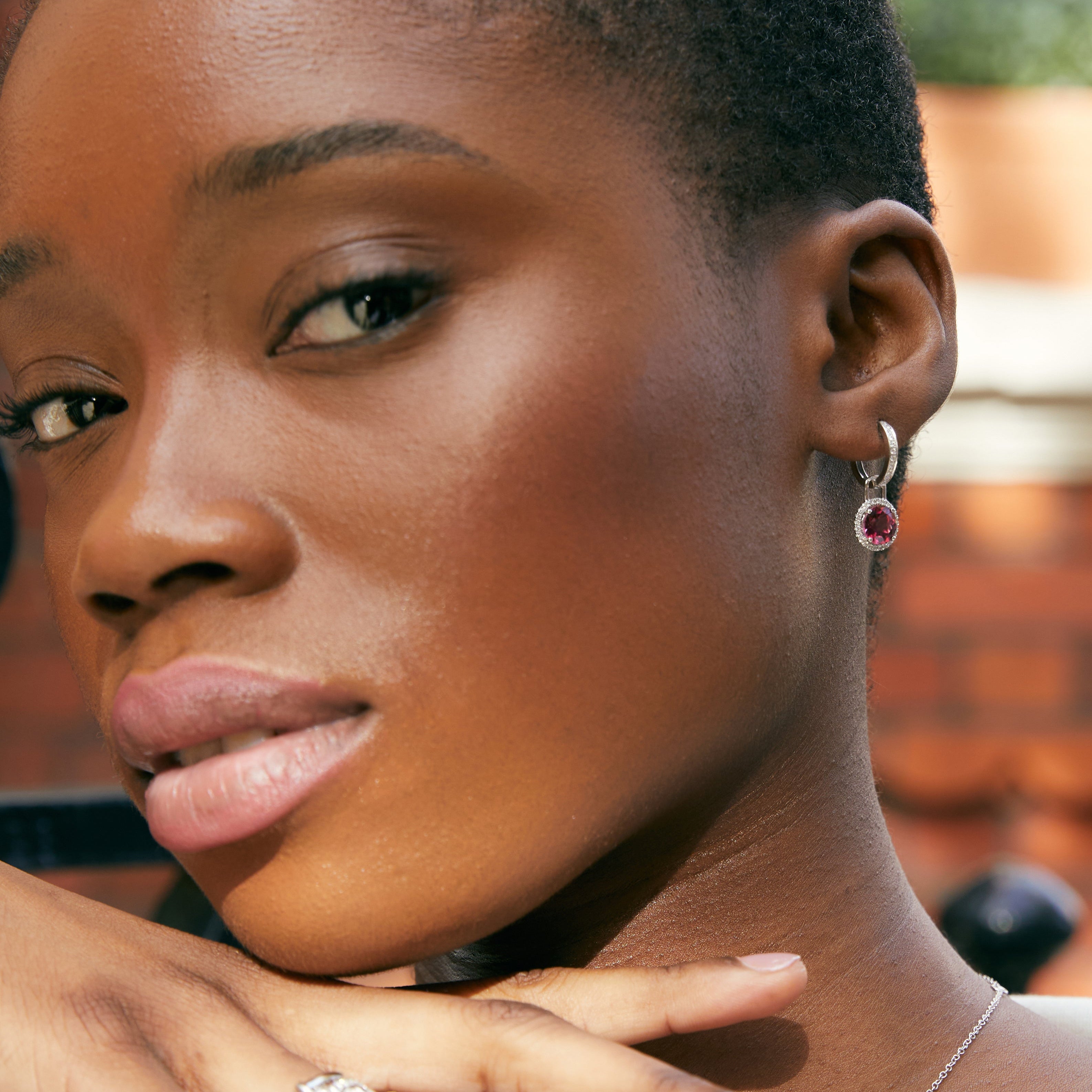
The name ‘garnet’ originates from the Latin term granatus, which means “pomegranate,” in reference to the deep red colour this stone shares with the delicious fruit.
Whilst a deep red is the most commercially common hue of garnet, it can also be found in a wide variety of colours including the romantic purple-red of rhodolite garnet, the deep green of tsavorite garnet and the citrusy orange of spessartine (or mandarin) garnet.
Garnet is its own mineral group with an Isometric crystal system, with a composition that varies by species (chemical formula X3Y2(SiO4)3).
It rates 6.5–7.5 on the Mohs hardness scale and is sourced from various African countries.
The name "garnet" originates from the Latin term granatus, meaning "pomegranate," in reference to the deep red colour this stone shares with the fruit.
Despite its signature red reputation, garnet actually displays a surprisingly wide range of colours optically - colourless, red, orange, yellow, green, purple, brown, black and pink, with a vitreous lustre and transparency ranging from transparent to translucent.
- No special care required
- Clean with warm soapy water, avoid steam cleaning
- Safe for ultrasonic cleaning as long as there are no fractures
- In most cases Garnet has no treatments
Garnet is the birthstone for January and the gemstone for 24th anniversaries.


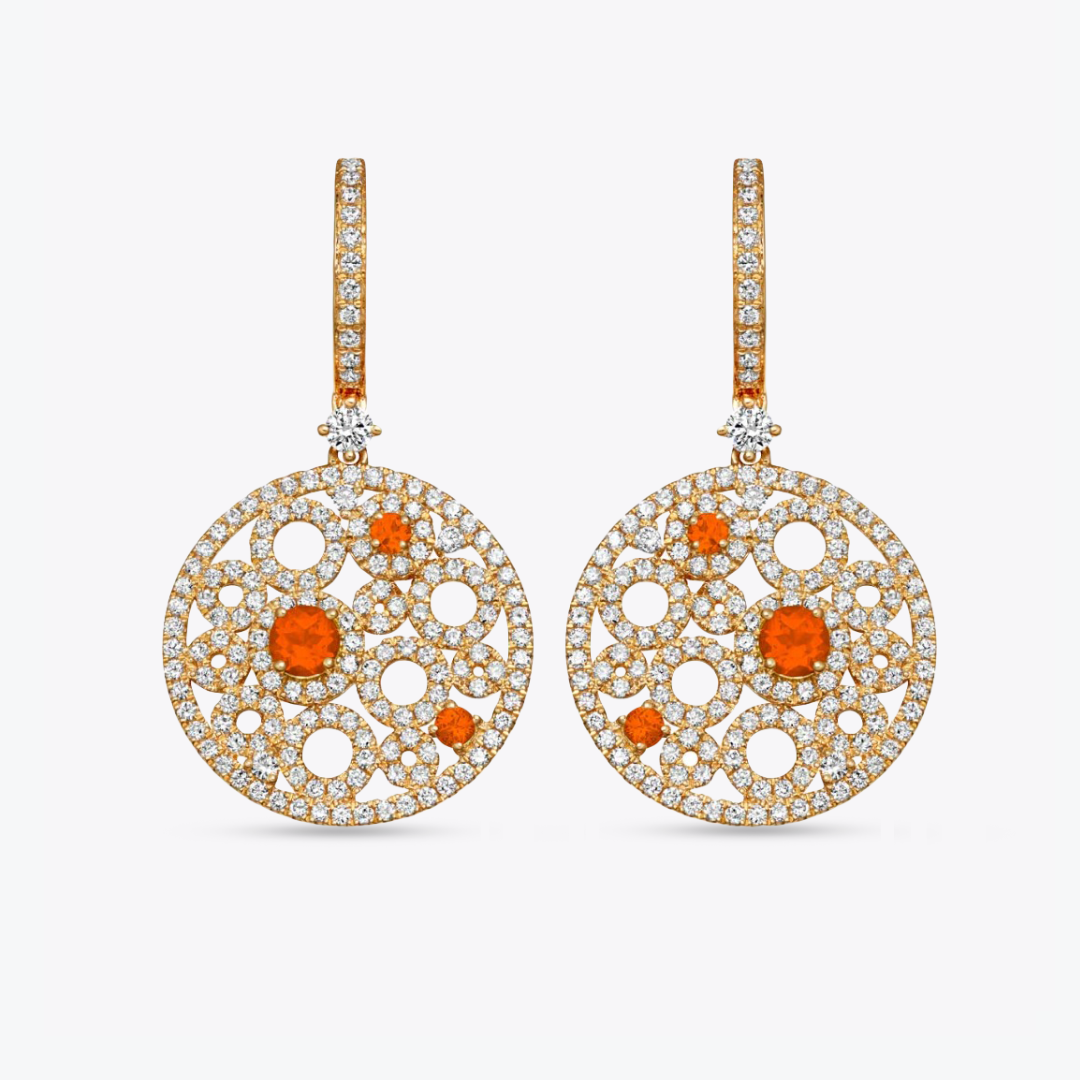
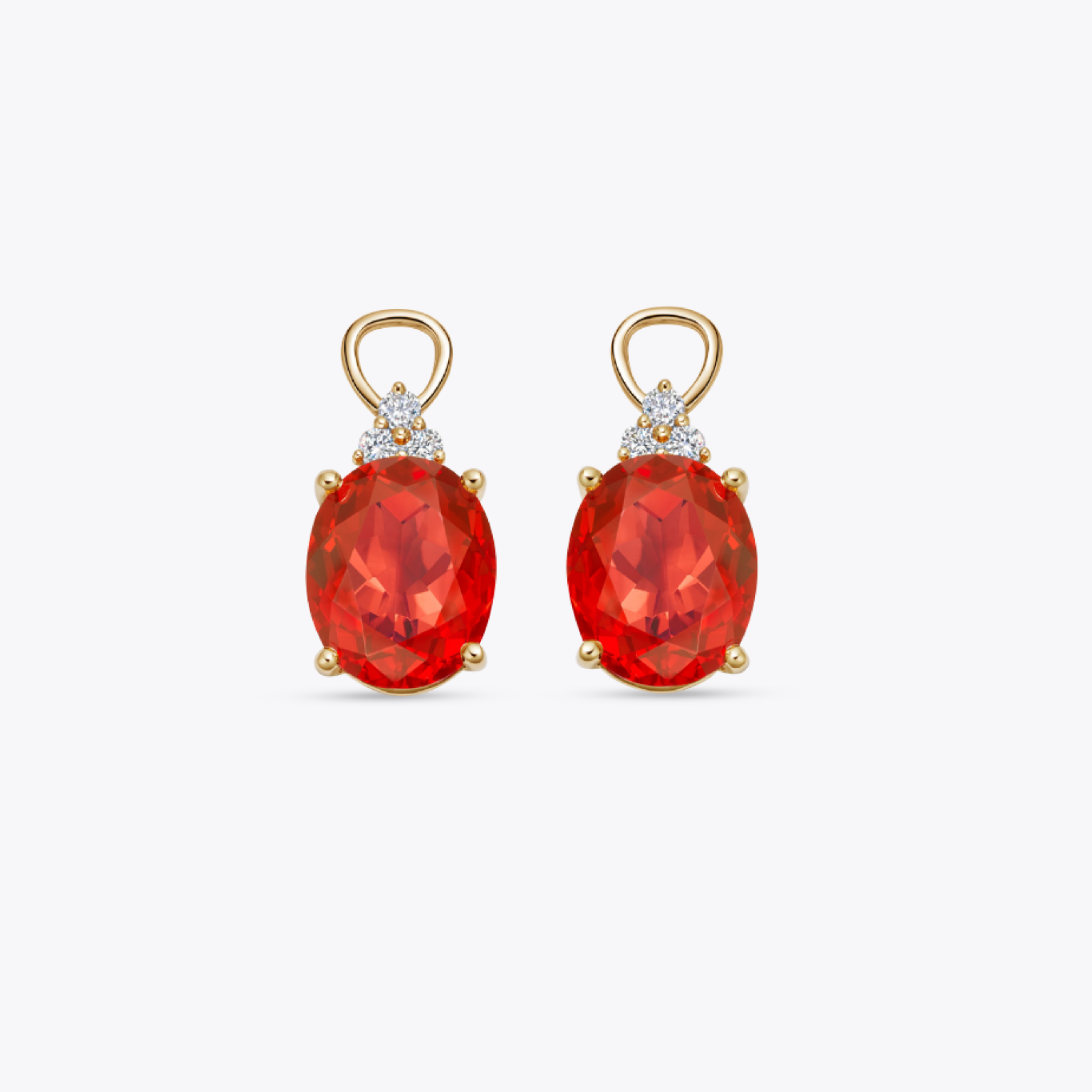
Fire Opal
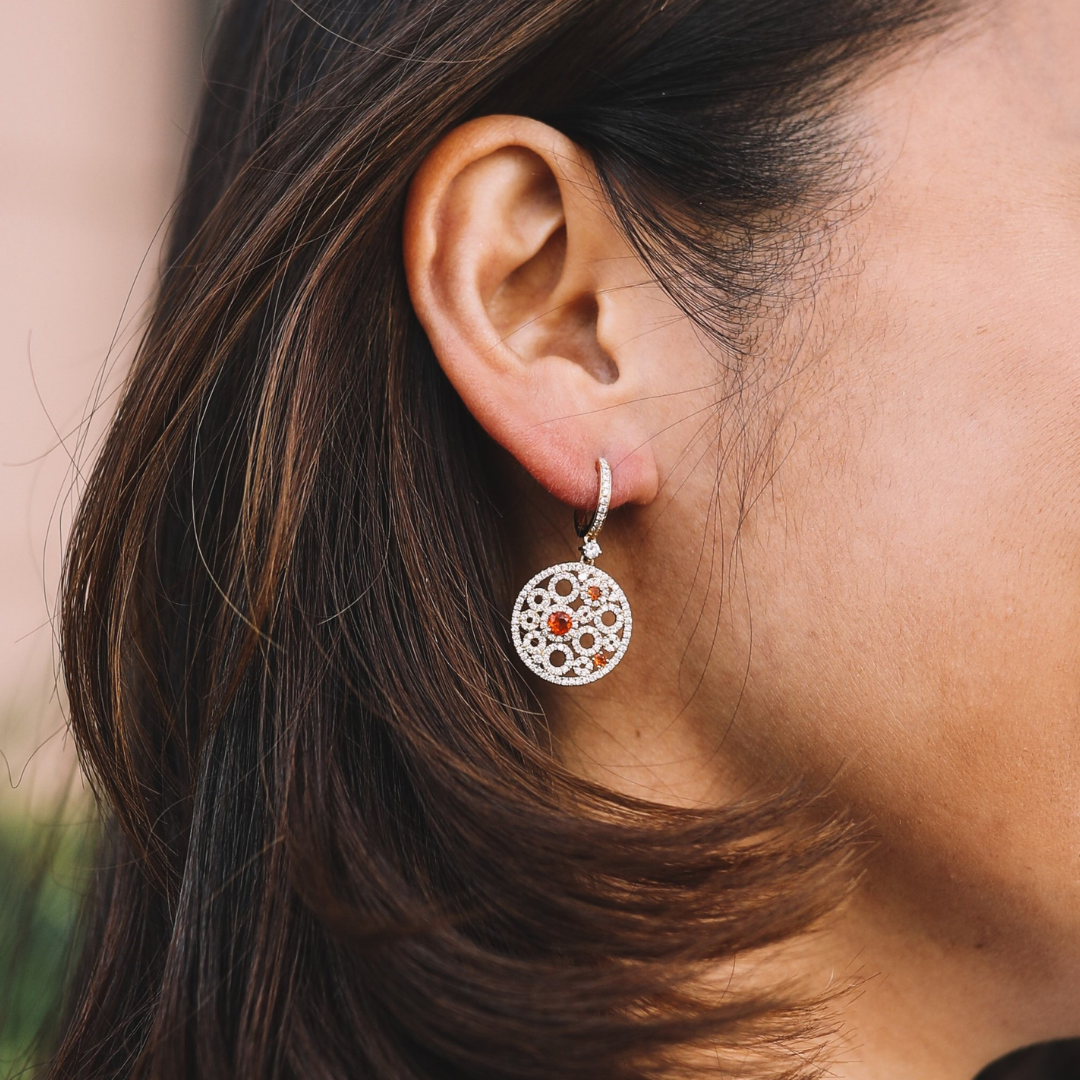
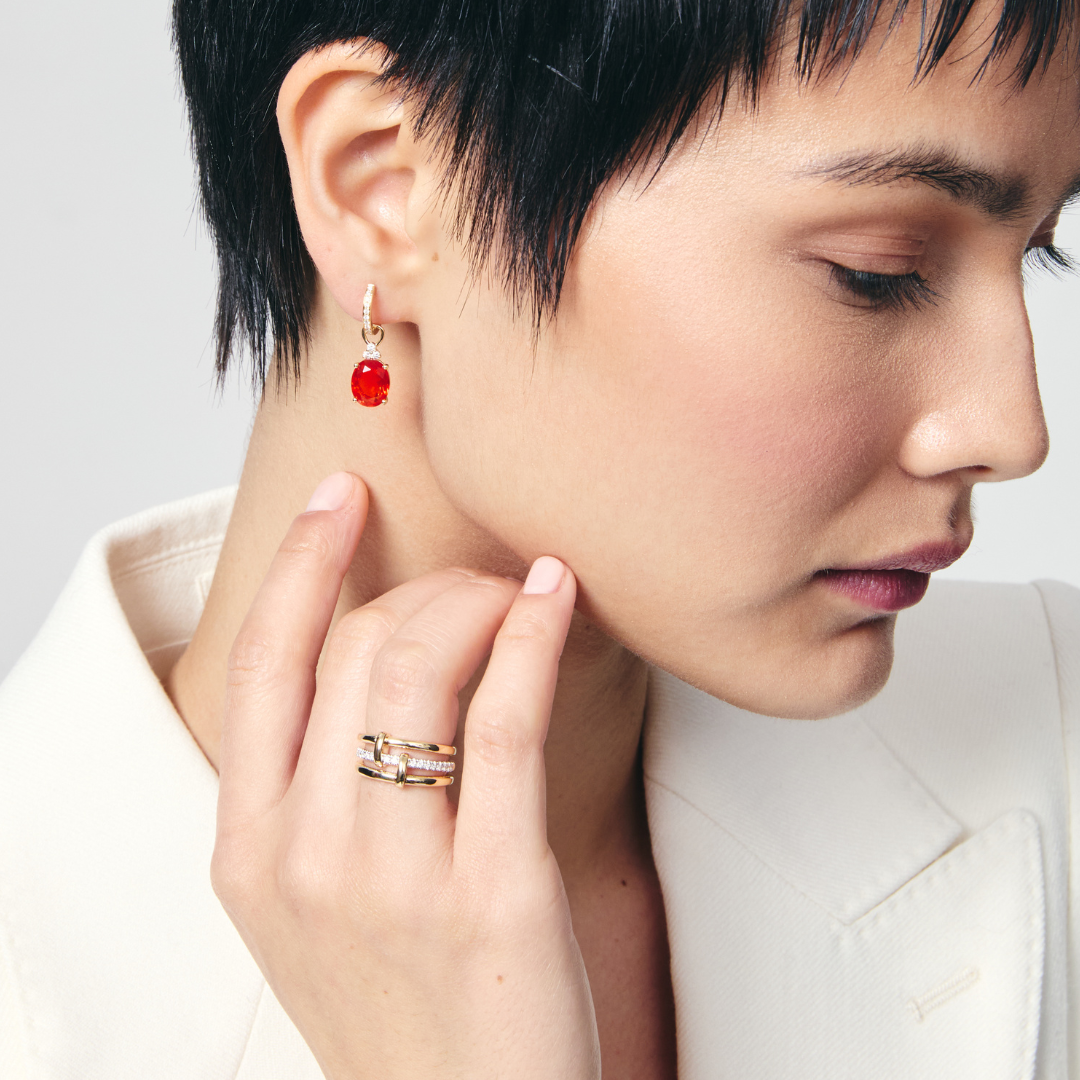
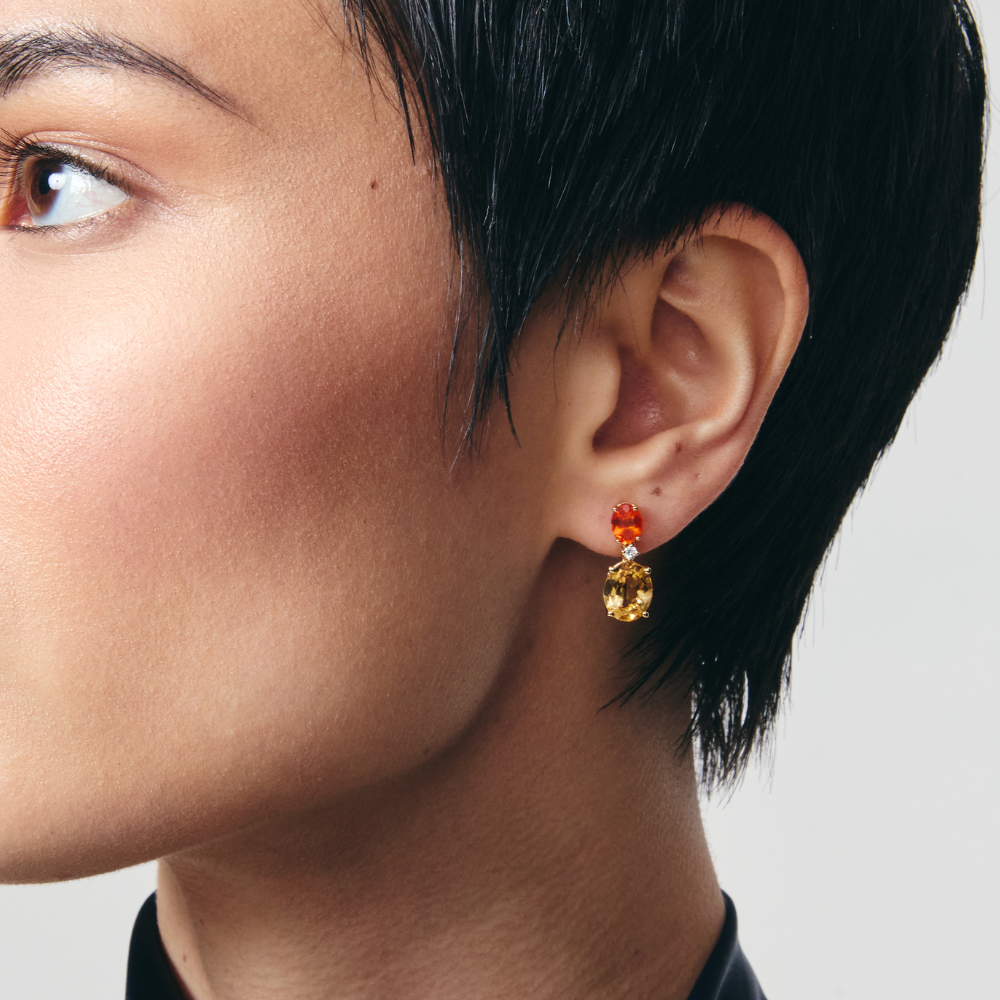
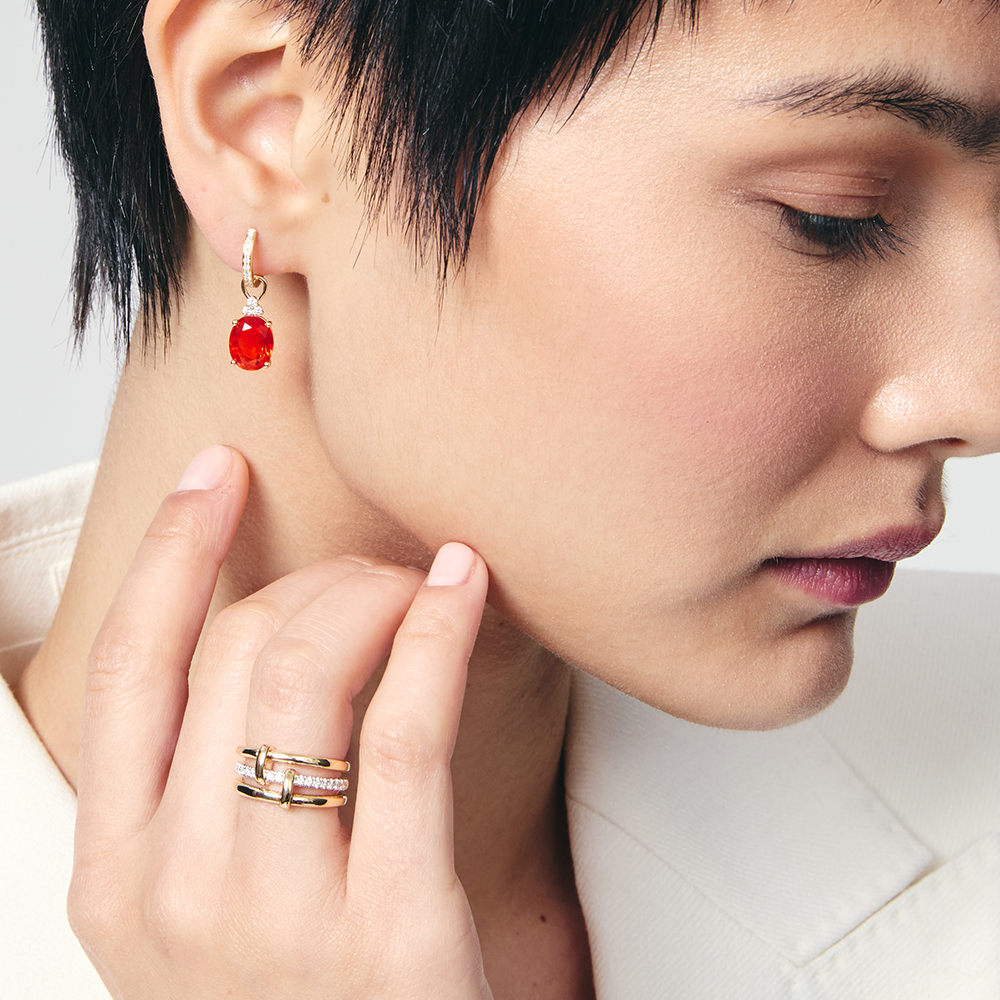
Named for their fiery orange-red hue, fire opals are gemstones that make a mark. Kiki first introduced fire opals in her 2014 collection ‘Playing with Fire’, and they have since become a favourite of the brand.
In true Kiki style, her first fire opal collection paired this blazing stone with other coloured gemstones such as blue topaz and pink tourmaline, creating striking pieces that promised to draw attention.
Opal is a Mineraloid with an Amorphous crystal system, composed of Hydrous Silica (SiO₂·nH₂O). It rates 5 - 6.5 on the Mohs hardness scale and is sourced from Mexico, specifically as Fire Opal.
Opal can range in colour from translucent white, grey, red, orange, yellow, green, blue, magenta, rose, pink, olive and black, appearing optically as a white, grey or black base with rainbow flashes. Its lustre ranges from vitreous to resinous, with transparency ranging from transparent to opaque.
Uniquely, opal's array of silica spheres means that no two gemstones are ever the same.
- No special care required
- Clean with warm soapy water, avoid ultrasonic and steam cleaning
- No common treatments